
Antonio el Malagués: How to Use Extra Virgin Olive Oil
Enhancing flavors, elevating everyday meals, and bringing the taste of Spain to your table.
Simple Ways to Use Extra Virgin Olive Oil Every Day
Antonio el Malagués is as comfortable finishing a dish as it is cooking one. Thanks to its naturally high oleic acid content, our Picual extra virgin olive oil holds up well to heat, making it suited to searing, roasting, and everyday sautéing — not just raw drizzling. A little goes a long way: a spoonful over fresh vegetables, grilled fish, or a warm bowl of soup brings out flavor without overpowering it.
From simple weeknight meals to more refined pairings — seafood, fresh bread, even dishes finished with caviar — the same bottle carries you through every course. Below, a few of our favorite ways to bring it to the table.
Ways to Pair It
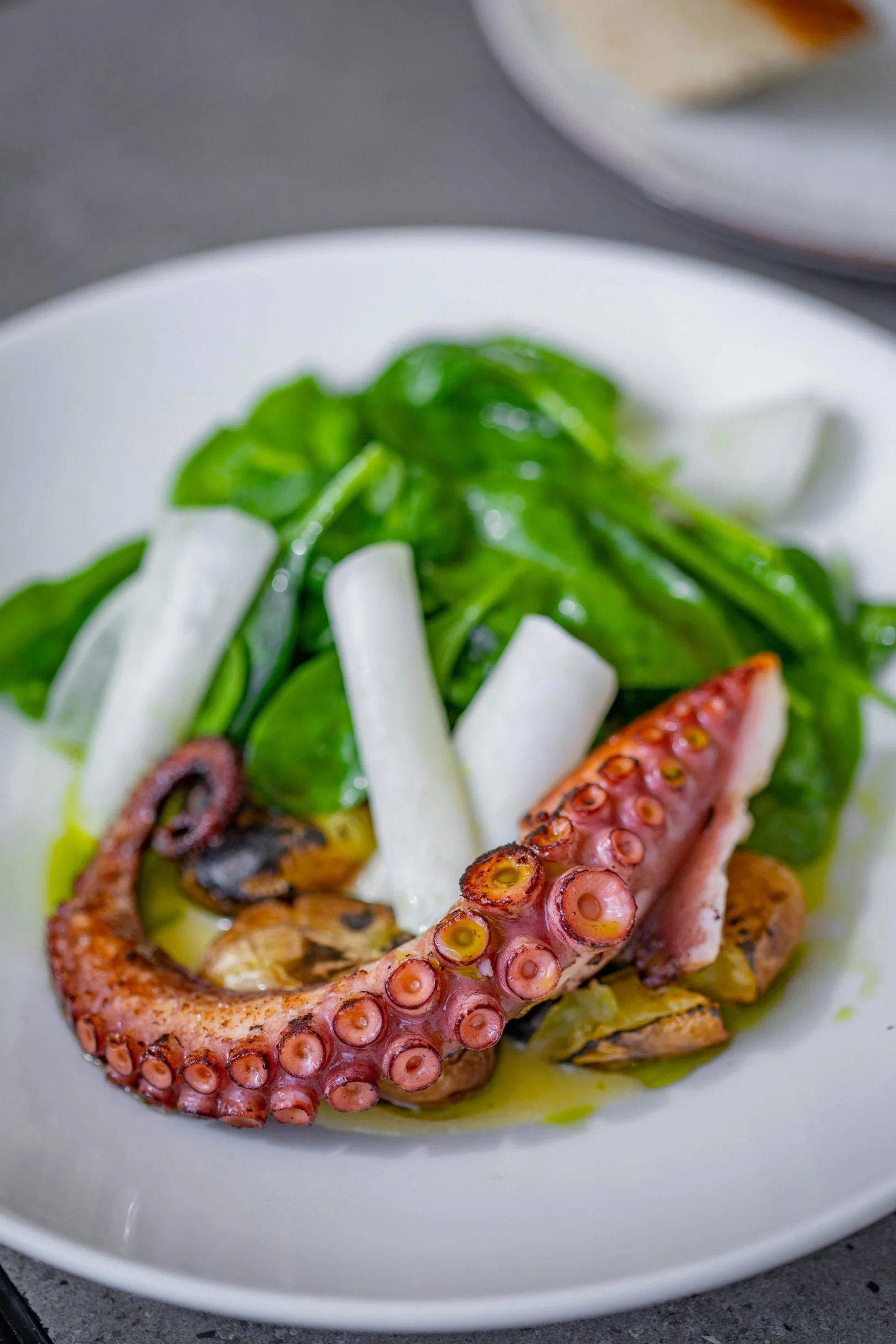
Seafood and Extra Virgin Olive Oil are a perfect pair: a drizzle over grilled octopus with a peppery finish elevates the dish to gourmet.
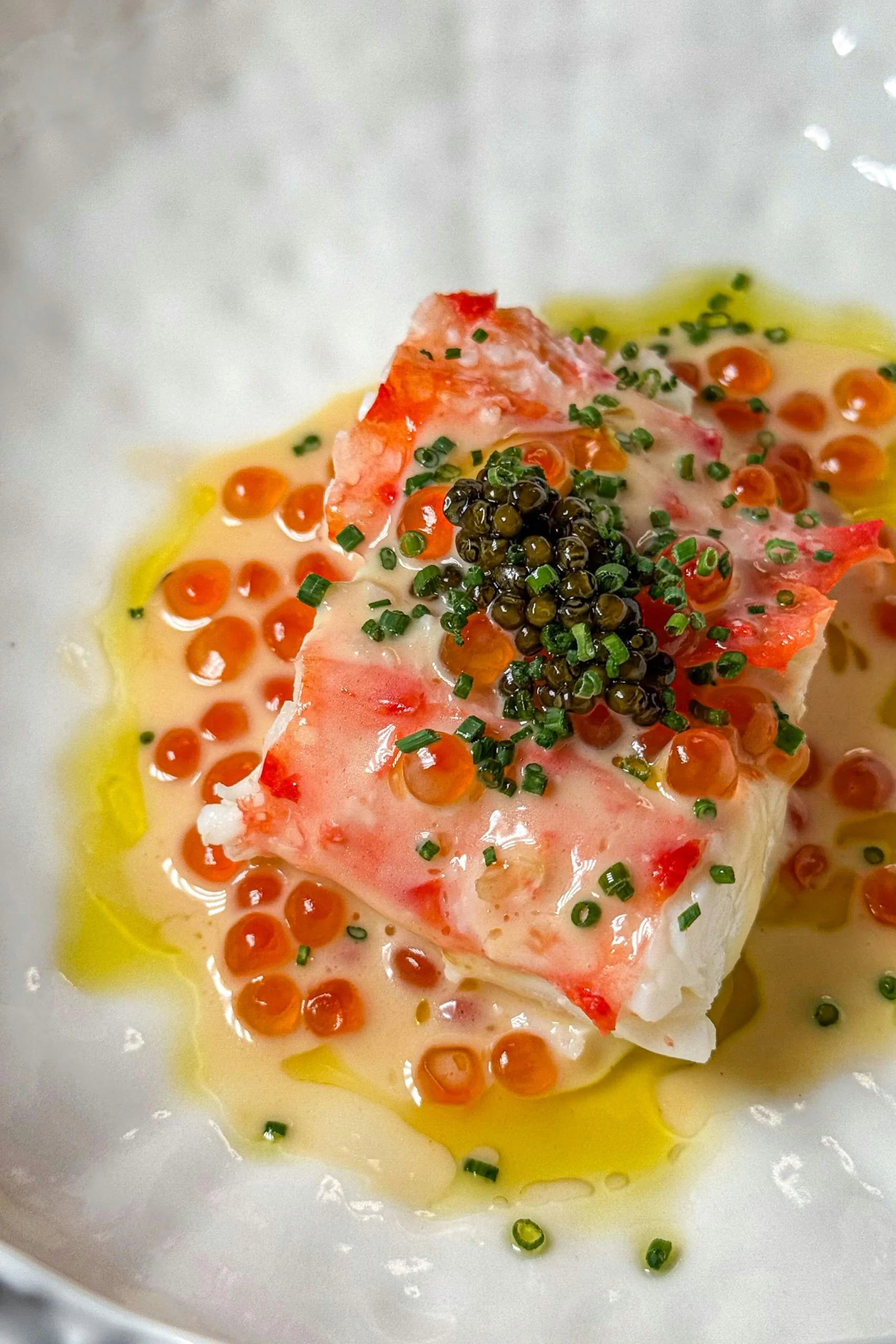
In dishes with lobster, salmon roe, or caviar, the peppery finish of our Picual extra virgin olive oil adds balance and richness, uniting every flavor on the plate.
A Part of Healthy, Everyday Eating
A cornerstone of the Mediterranean diet for generations, Antonio el Malagués brings rich flavor to the table alongside the natural goodness of extra virgin olive oil.
What Makes It "Extra Virgin"
Knowing how to use extra virgin olive oil starts with understanding what the grade actually means.
Extra virgin is the highest quality grade — extracted purely by mechanical pressing, with no heat or chemical solvents, and acidity below 0.8%. That’s what preserves its natural flavor, aroma, and nutritional value.
Refined or “light” olive oils go through additional processing to correct defects, which strips away much of that character along the way. A quick way to taste the difference: try a spoonful on its own, or dip a piece of bread straight into the oil. Real extra virgin olive oil should taste vibrant, slightly bitter, and a little peppery at the back of the throat — signs that the natural polyphenols are still intact.
A slice of rustic bread topped with ripe tomatoes and finished with extra virgin olive oil becomes pan con tomate, a Spanish classic.
The fruity depth and peppery finish of our Extra Virgin Olive Oil enhance shrimp and garlic, creating a dish both comforting and refined.
How to Use Extra Virgin Olive Oil: Storage Tips
To enjoy Antonio el Malagués at its best, store it in a cool, dark place, away from heat and direct light, and make sure the bottle stays tightly sealed between uses. For peak flavor and health benefits, we recommend using the oil within 12 to 18 months of harvest — extra virgin olive oil doesn’t improve with age the way wine does, so fresher is always better.
Each bottle is crafted in dark glass, which protects the oil from light exposure and helps preserve its natural antioxidants and aroma. It’s also fully recyclable, so once you’ve reached the last drop, the bottle itself doesn’t have to go to waste.
Stored properly, a good extra virgin olive oil should smell fresh and grassy, with no trace of rancidity — one of the simplest ways to know you’re using it at its best.
Once opened, try to use your bottle within two to three months for the best flavor. Exposure to air, more than time on the shelf, is what gradually causes olive oil to lose its aroma.
A Few Extra Tips
Give the bottle a gentle stir before pouring: a little natural sediment is a sign of minimal processing, not a flaw. A little goes further than you’d expect, so start with a teaspoon and add to taste. And keep the bottle away from the stovetop itself, the heat from cooking can degrade oil over time, even before you’ve opened it.